

Football History
The History of Football Kits and How They Changed
Category: Football History
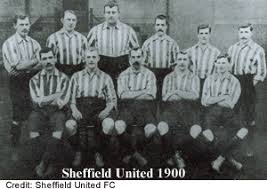

Football kits have changed dramatically over the years. From heavy cotton shirts in the early days of the sport to modern high-tech fabrics, football jerseys have evolved alongside the game itself.
Early Football Kits
In the late 19th and early 20th centuries, football kits were very simple. Players wore thick cotton shirts, long shorts, and heavy boots. The materials were not designed for comfort or performance.
Teams mainly used different colors to distinguish themselves during matches.
The Introduction of Club Identity
As football grew in popularity, clubs began developing unique identities through their kits. Teams such as Liverpool F.C. and Juventus FC adopted distinctive colors that fans still recognize today.
These designs helped build strong connections between clubs and supporters.
The Rise of Sponsorship
In the 1970s and 1980s, commercial sponsorship began appearing on football jerseys. This change transformed kits into marketing platforms while helping clubs generate additional revenue.
Leagues like the Premier League and La Liga soon adopted sponsored shirts as standard.
Modern Technology in Jerseys
Today’s football jerseys use advanced materials designed to improve player performance. Lightweight fabrics allow better airflow and moisture control, helping players stay comfortable during intense matches.
Major sportswear companies such as Nike and Adidas continuously develop new technologies for football kits.
Style and Fashion Influence
Football jerseys have also become fashion items. Fans often wear them casually, making football shirts part of global streetwear culture.
Conclusion
The evolution of football kits reflects the growth of the sport itself. From simple cotton shirts to high-tech designs, jerseys continue to represent the identity and passion of football clubs worldwide.